If you are searching for the right timepiece, this luxury watch guide will help you understand what really matters before making a purchase. The world of luxury watches can be exciting, but it can also be confusing. There are hundreds of brands, thousands of references, different movements, materials, complications, case sizes, and constantly changing market preferences.
Whether you are buying your first luxury watch, expanding an established collection, looking for a special gift, or searching for a rare reference, knowing what to look for can make the entire experience easier.
A great luxury watch is not simply defined by its price. Craftsmanship, movement quality, design, heritage, materials, condition, rarity, authenticity, and long-term wearability all contribute to the appeal of a timepiece.
At LuxeChronos, the goal is to make the luxury-watch buying experience more straightforward by connecting enthusiasts and collectors with carefully selected timepieces and watch-related services.
This luxury watch guide covers the fundamentals you need to know, from mechanical movements and complications to authenticity, sizing, materials, buying online, collecting, maintenance, and choosing the right luxury watch for your lifestyle.
What Is a Luxury Watch?
A luxury watch is more than an expensive way to tell time.
Luxury watchmaking combines engineering, craftsmanship, design, heritage, precision, and attention to detail. Depending on the manufacturer and model, a luxury timepiece may contain a sophisticated mechanical movement made from hundreds of individual components, many of which require careful assembly and finishing.
Some luxury watches are understated and elegant. Others are large, sporty, complicated, or immediately recognizable. Some emphasize technical performance, while others focus almost entirely on traditional finishing and aesthetics.
This is why there is no single definition of the “perfect” luxury watch.
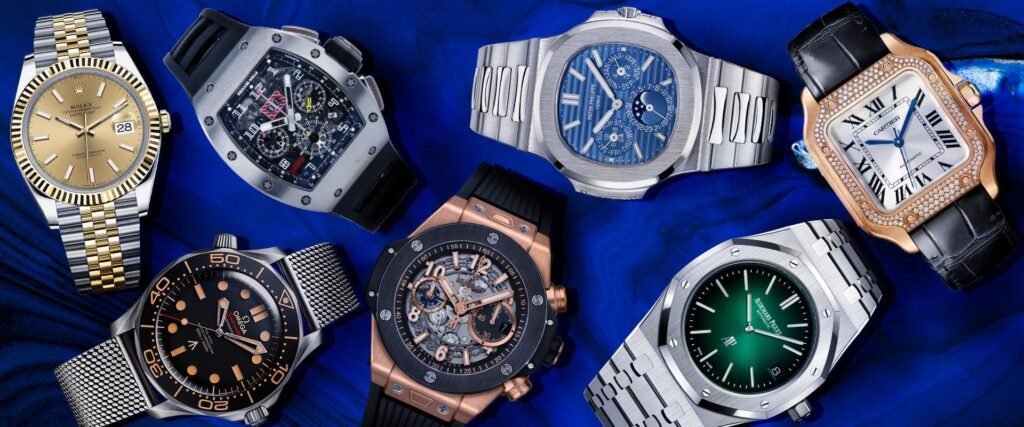
A collector interested in traditional Swiss watchmaking may prefer a refined Patek Philippe. Someone looking for a robust everyday sports watch may prefer a Rolex. Another enthusiast may be attracted to the distinctive architecture and integrated bracelet of an Audemars Piguet Royal Oak.
The best luxury watch is therefore the one that matches your preferences, lifestyle, budget, and reason for buying.
This luxury watch guide is designed around that principle: understand the fundamentals first, then decide which individual watch makes sense for you.
Why Do People Buy Luxury Watches?
There are many reasons people become interested in luxury watches.
For some, it begins with craftsmanship. Mechanical watch movements are miniature machines that operate continuously through carefully engineered systems of gears, springs, jewels, bridges, and regulating components.
For others, the attraction is design. A particular dial, bracelet, case profile, bezel, or combination of materials can make a watch feel unique.
Collectors may also be attracted to historical significance, limited production, discontinued references, unusual configurations, complicated movements, or important associations with a particular brand.
A luxury watch can also have emotional significance. It might commemorate a graduation, career milestone, wedding, anniversary, birthday, or another important event.
There is also the possibility of resale value. Certain luxury watches have demonstrated strong demand in the secondary market, although no watch should be considered a guaranteed investment.
The safest approach is to purchase a watch because you genuinely appreciate it. If it later retains or increases its value, that is an additional benefit.
Mechanical vs. Quartz Watches
One of the first decisions in any luxury watch buying guide is deciding what type of movement you want.
Mechanical Watches
Mechanical watches use stored energy from a mainspring. The movement gradually releases that energy through a regulating system to drive the hands and other complications.
Mechanical watches are broadly divided into manual-winding and automatic movements.
Manual-Winding Watches
Manual-winding watches require the wearer to wind the crown periodically.
For many enthusiasts, this is part of the charm. Instead of simply putting on a watch and forgetting about its mechanism, the owner interacts with it directly.
Manual-winding movements are especially common in traditional dress watches and highly finished complications.
Automatic Watches
Automatic watches use a rotor that winds the mainspring as the wearer moves.
This makes them particularly practical for everyday use. Rolex, for example, explains its self-winding technology and the role of the Perpetual rotor in its official watch-care and watchmaking information. Rolex official watch-care information
Automatic mechanical watches are among the most popular choices for luxury-watch enthusiasts because they combine traditional mechanical craftsmanship with everyday convenience.
Quartz Watches
Quartz watches use electronic regulation based on a quartz crystal.
They are generally highly accurate and convenient, and they typically require less mechanical maintenance than traditional mechanical watches.
If you love traditional horology, the mechanical movement may be more appealing. If your priority is accuracy and convenience, quartz can be an excellent choice.
Neither technology is automatically “better.” The right choice depends on what you want from your watch.
Understanding Luxury Watch Complications
A complication is a watch function beyond basic timekeeping.
Complications can range from relatively practical functions, such as a date display, to highly sophisticated mechanisms such as perpetual calendars and minute repeaters.
Common luxury watch complications include:
Date
Day-date
Chronograph
GMT
Dual time
Annual calendar
Perpetual calendar
Moon phase
World time
Power reserve
Tourbillon
Minute repeater
Patek Philippe provides a useful overview of complications including annual calendars, chronographs, dual-time watches, world-time displays, and moon-phase indications. Patek Philippe complications collection
Chronograph
A chronograph allows you to measure elapsed time.
Chronographs commonly feature pushers on the side of the case and one or more subdials on the main dial.
They have strong historical connections to motorsport, aviation, science, military applications, and professional timing.
GMT Watches
A GMT watch displays an additional time zone.
For frequent travelers or people who regularly communicate with colleagues, friends, or family overseas, a GMT can be extremely useful.
For collectors, GMT watches can also be attractive because of their distinctive additional hand, bezel, and travel-oriented design.
Annual Calendar
An annual calendar can automatically account for months with different numbers of days, although it generally requires adjustment once each year.
Perpetual Calendar
A perpetual calendar is substantially more complicated and is designed to account for month lengths and leap years.
Moon Phase
A moon-phase complication displays the current phase of the moon.
Complications are fascinating from a technical perspective, but you should not assume that more complications automatically mean a better watch.
If you never travel, for example, a GMT may be less useful than a simple time-and-date watch.
Choosing the Right Luxury Watch Size
Case size is one of the most important considerations when selecting a luxury watch.
Modern watches can range from compact dress watches to large sports models.
However, diameter alone does not tell you exactly how a watch will wear.
You should also consider:
Case thickness
Lug-to-lug length
Lug shape
Bezel size
Dial opening
Bracelet width
Strap design
Case shape
Wrist size
Two 40mm watches can feel completely different on the wrist because their proportions may be dramatically different.
If possible, try the watch on before purchasing.
If you are buying online, compare the manufacturer’s measurements with the dimensions of a watch you already own and like wearing.
A luxury watch should feel balanced and comfortable rather than simply being as large as possible.
Choosing the Right Luxury Watch Material
Materials affect appearance, durability, weight, and sometimes collectability.
Stainless Steel
Stainless steel is one of the most versatile luxury-watch materials.
It is durable, relatively easy to wear, and suitable for both casual and business environments.
Steel sports watches have become especially influential in modern watch collecting.
Yellow Gold
Yellow gold creates a traditional luxury aesthetic and can make a watch immediately noticeable.
It is particularly popular for dress watches and classic precious-metal models.
White Gold
White gold can provide the appearance of a lighter-colored metal while retaining the characteristics associated with precious-metal construction.
Rose Gold
Rose gold adds a warmer tone and has become increasingly popular among modern luxury-watch buyers.
Platinum
Platinum is rare, dense, and heavy.
It is often reserved for prestigious watches and special configurations.
Ceramic
Ceramic is increasingly common in modern luxury watches, especially for bezels and sporty cases.
It can provide a contemporary appearance and excellent resistance to scratches.
Titanium
Titanium is lightweight and well suited to technical and sports-oriented watches.
When choosing a material, consider how you actually intend to use the watch.
A precious-metal dress watch may be perfect for formal occasions, while a steel sports watch may be more practical for daily wear.
Dress Watches vs. Sports Watches
Another important part of this luxury watch guide is determining what category of watch fits your lifestyle.
Dress Watches
Dress watches typically emphasize elegance and simplicity.
Common characteristics include:
Slim cases
Refined dials
Leather straps
Polished finishing
Minimal complications
Restrained proportions
A dress watch can work particularly well with suits, formal clothing, business attire, and evening wear.
Sports Watches
Sports watches usually emphasize durability, legibility, water resistance, and practical construction.
They may include:
Diving watches
Racing chronographs
GMT watches
Aviation watches
Robust everyday sports watches
The modern luxury sports watch has become one of the most influential categories in the industry.
A good sports watch can often transition between casual, business-casual, and travel environments.
Luxury Watch Brands You Should Know
The luxury-watch industry includes an enormous number of manufacturers, but several names are particularly important for collectors and enthusiasts.
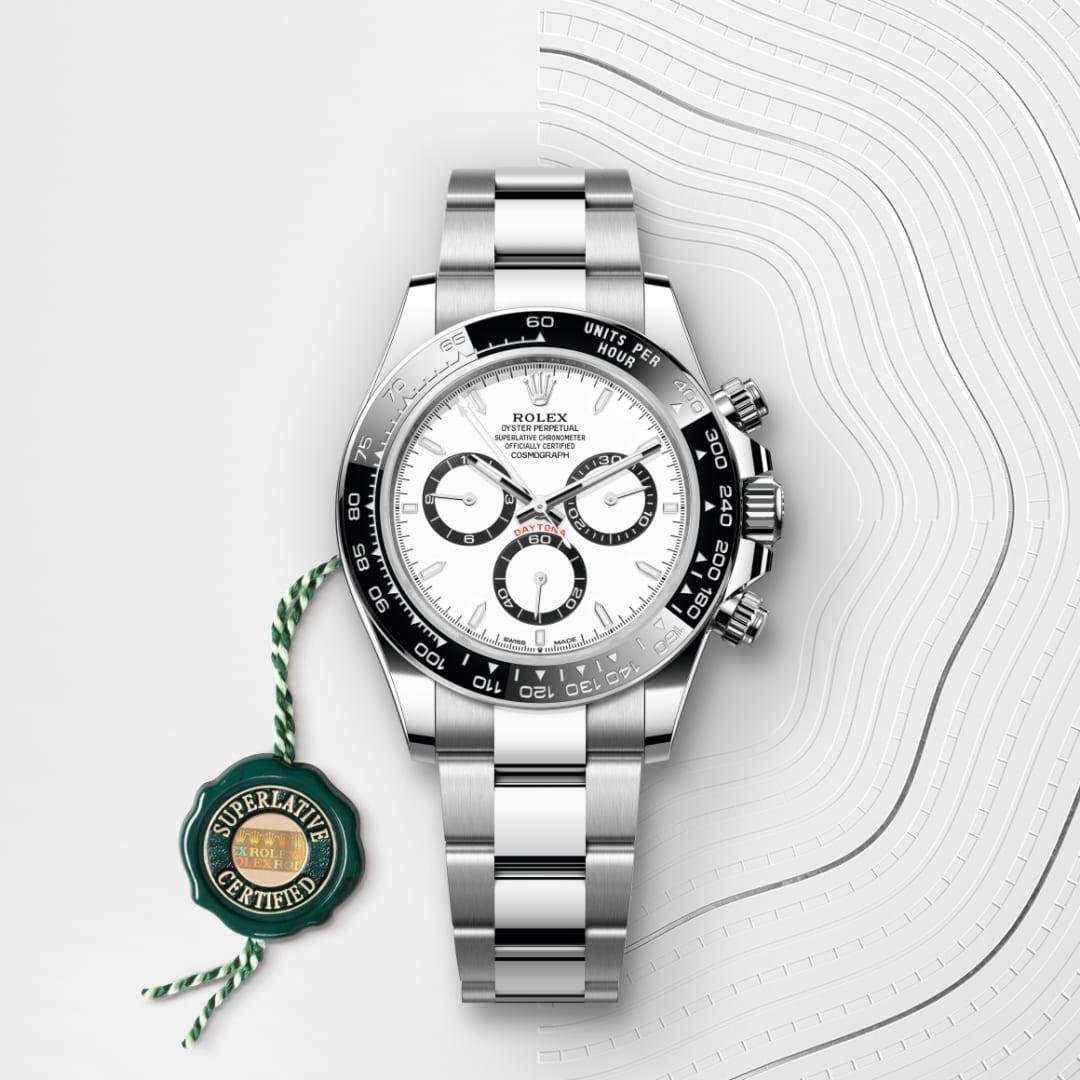
Rolex
Rolex is among the most recognizable names in luxury watchmaking.
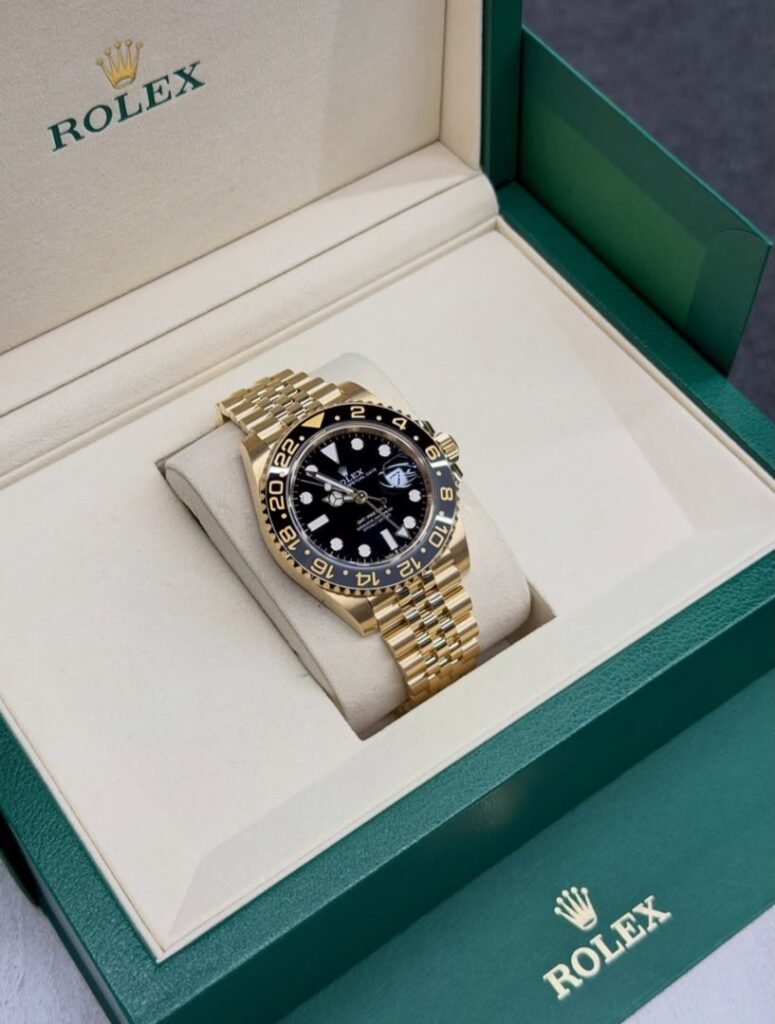
The company is known for models including the Submariner, Datejust, GMT-Master II, Daytona, Day-Date, and Oyster Perpetual.
Its official resources explain the technologies and construction behind its watches, including movements, cases, dials, and bezels. Rolex official watchmaking information
When buying a Rolex, however, do not stop at the brand name.
The exact reference, year, material, dial configuration, bracelet, condition, and documentation can make a major difference.
You can explore the LuxeChronos Rolex collection to discover available luxury timepieces and compare different options.
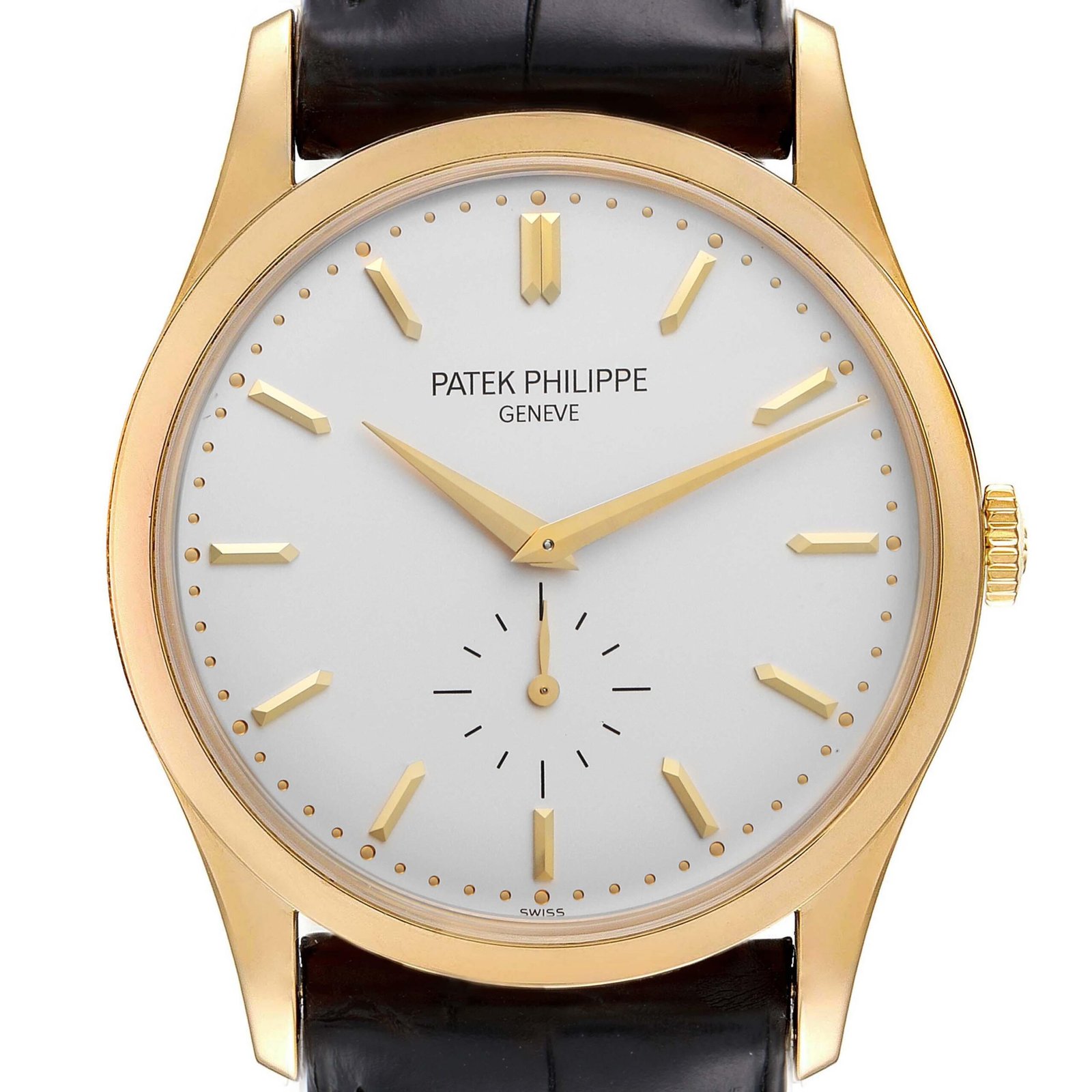
Patek Philippe
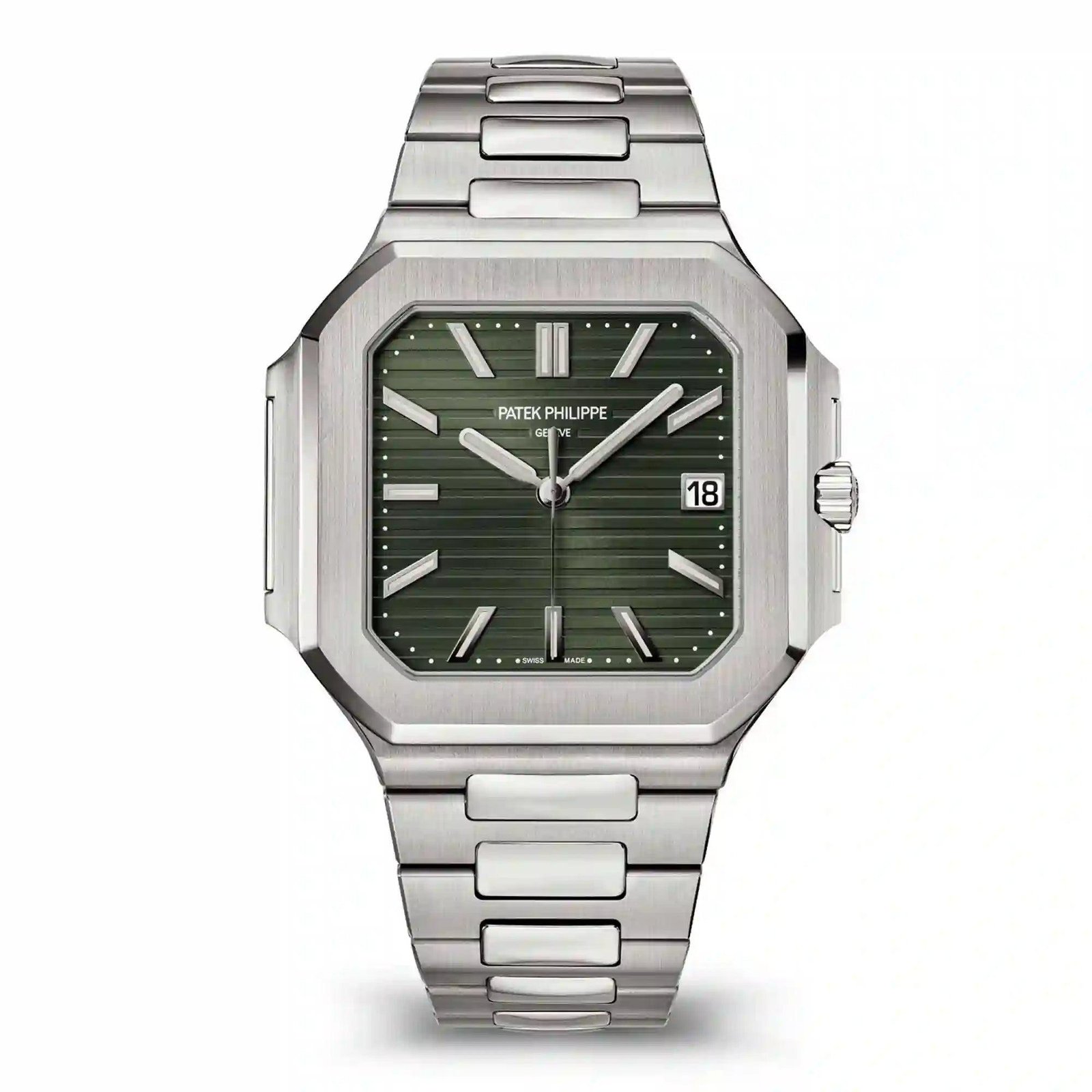
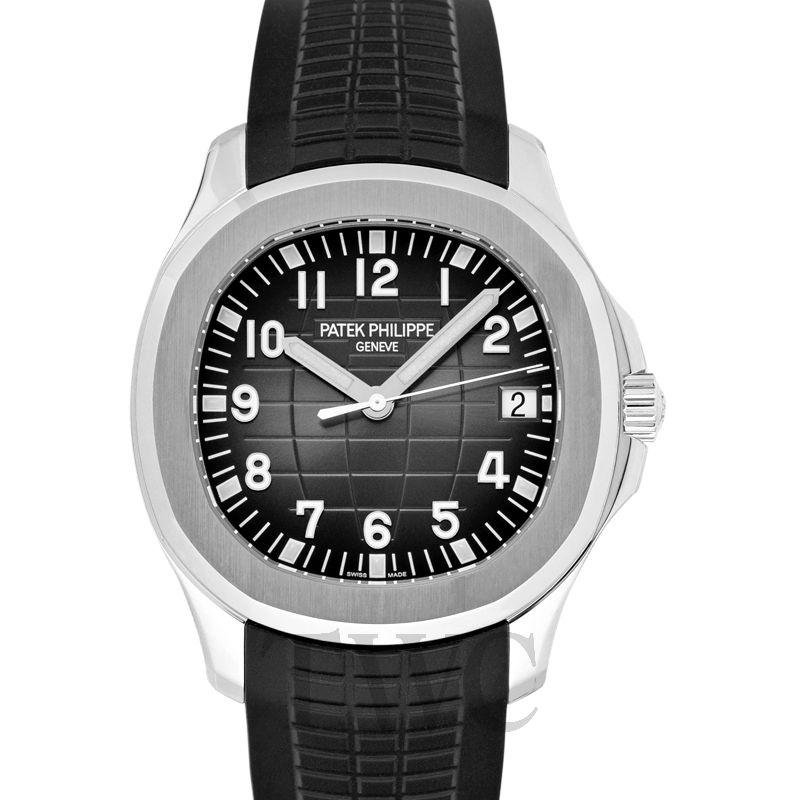
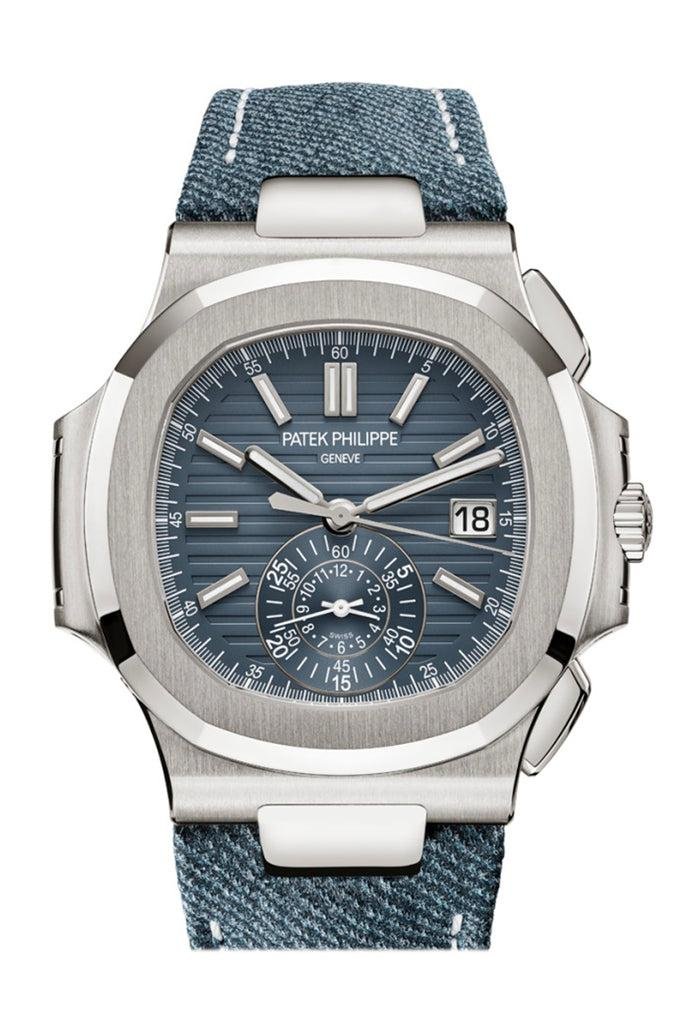
Patek Philippe is one of the most respected names in traditional Swiss watchmaking.
The manufacturer is particularly known for complicated mechanical watches and refined finishing.
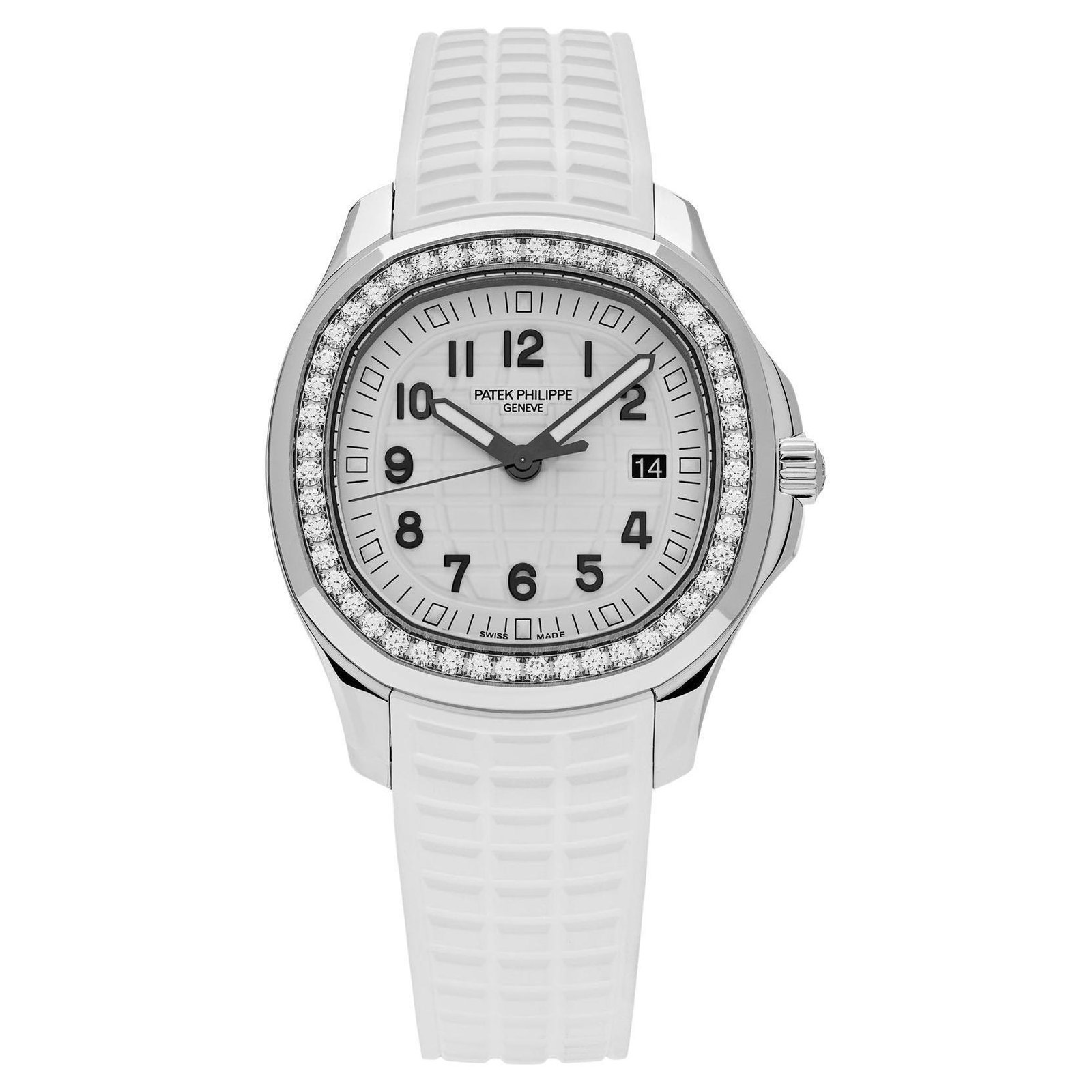
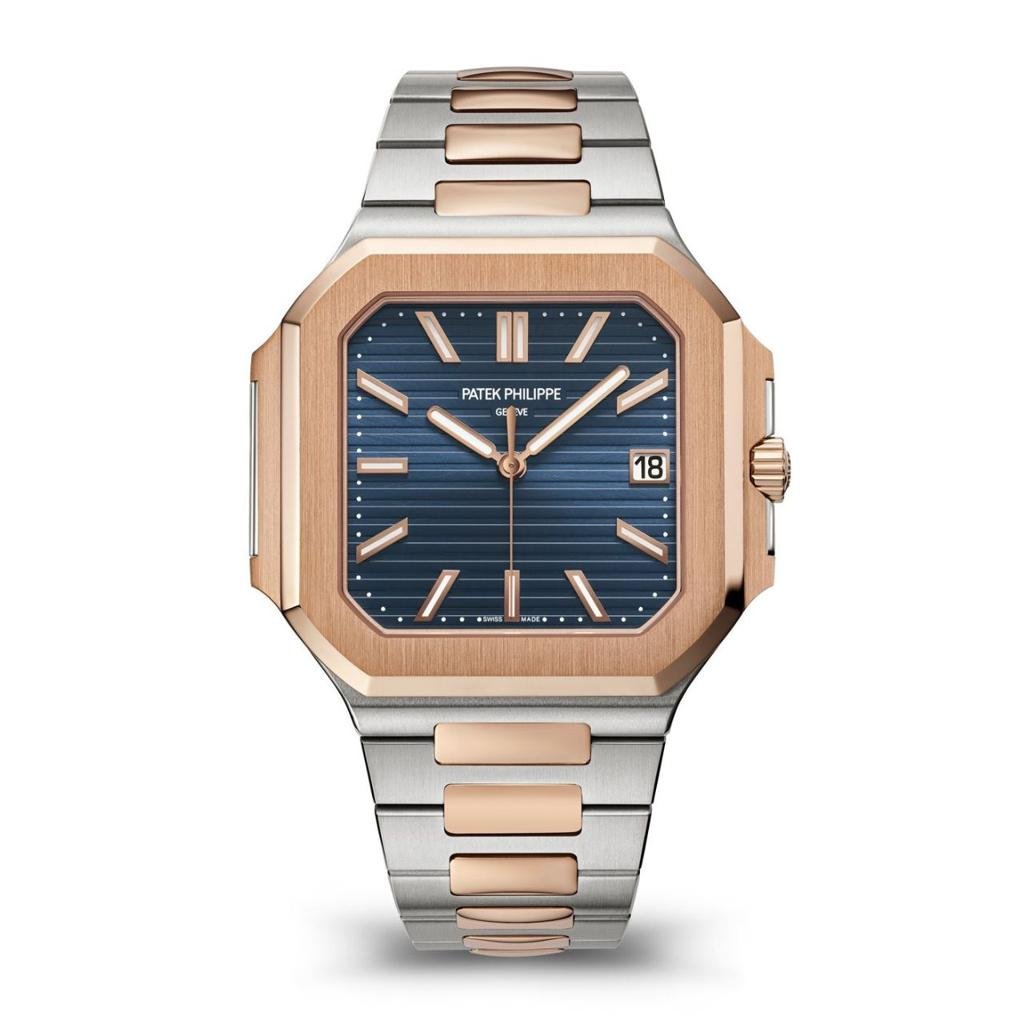
Its collections include Calatrava dress watches, Nautilus sports watches, Aquanaut models, and sophisticated complications.
For collectors interested in haute horlogerie, understanding Patek Philippe is an important part of any luxury watch guide.
The official Patek Philippe complications collection is a useful resource for learning about the technical functions found in its watches.
Audemars Piguet
Audemars Piguet is strongly associated with the Royal Oak and the development of the modern luxury sports-watch category.
The Royal Oak’s integrated bracelet, octagonal bezel, distinctive case architecture, and textured dial have made it one of the industry’s most recognizable designs.
Collectors considering Audemars Piguet should pay close attention to reference number, case material, movement, dial configuration, bracelet, condition, and provenance.
If you are looking for a particular Audemars Piguet reference that is not currently available, you can use the LuxeChronos luxury watch sourcing service to describe the model you are seeking.
How to Choose Your First Luxury Watch
Buying your first luxury watch can feel overwhelming.
The easiest way to narrow your options is to start with your own lifestyle.
Determine Your Budget
Before browsing watches, establish a maximum amount you are comfortable spending.
A defined budget helps prevent emotional purchases.
Decide How You Will Wear It
Ask whether the watch is intended for:
Everyday wear
Business use
Formal occasions
Travel
Sport
Collecting
Select Your Preferred Style
Think about whether you prefer:
Classic
Sporty
Minimalist
Technical
Vintage-inspired
Contemporary
Bold
Understated
Choose Your Movement
Decide whether you want automatic, manual-winding, or quartz technology.
Consider Long-Term Wearability
A watch can look exciting in photographs but become uncomfortable or difficult to wear regularly.
The best luxury watch for you is one that you will actually enjoy wearing.
New vs. Pre-Owned Luxury Watches
A major decision when purchasing a luxury timepiece is whether to buy new, unworn, or pre-owned.
New Watches
New watches appeal to buyers who want the latest configuration and a presentation close to the original retail experience.
Unworn Watches
An unworn watch can be attractive when the buyer wants a model that has not experienced normal wrist wear.
Pre-Owned Watches
Pre-owned watches provide access to discontinued references, older generations, rare configurations, and models that may not be readily available through conventional retail channels.
However, condition becomes particularly important.
When evaluating a pre-owned luxury watch, examine:
Case condition
Crystal
Dial
Hands
Bezel
Bracelet
Clasp
Crown
Movement
Serial information
Reference information
Service history
Box
Papers
LuxeChronos considers factors such as model, reference, condition, rarity, configuration, provenance, accessories, and market demand when evaluating luxury watches. You can learn more through the LuxeChronos watch-selling service.
Why the Reference Number Matters
One of the most important lessons in this luxury watch guide is that the brand name alone is never enough.
A single collection can contain many different references.
Those references may have different:
Movements
Case sizes
Metals
Dials
Bezels
Bracelets
Production years
Complications
Market values
When researching a watch, record the following:
Brand → Collection → Model → Reference → Year → Configuration → Condition
This information gives you a much clearer basis for comparison.
If you are searching for a specific watch through a private sourcing service, providing the reference number can also make the process much more precise.
LuxeChronos’ Request a Luxury Watch service allows collectors to specify details such as brand, model, reference, year, condition, configuration, box and papers, and budget.
How to Check Luxury Watch Authenticity
Authenticity is one of the most important issues when purchasing an expensive timepiece.
Modern counterfeits can be surprisingly sophisticated, which means photographs alone may not always provide enough information.
An authenticity assessment may involve examining:
Case construction
Dial printing
Hands
Crown
Bezel
Bracelet
Clasp
Engravings
Serial information
Reference information
Movement
Finishing
Documentation
Overall consistency
LuxeChronos provides information about its approach to luxury watch authenticity, including examination of model and reference details, movement characteristics, engravings, serial and reference information, bracelet and clasp construction, finishing, and supporting documentation where applicable.
Remember that box and papers should never be treated as the only evidence of authenticity.
The watch itself needs to be evaluated.
Understanding Box and Papers
Original accessories can add convenience and may contribute to the desirability of a pre-owned watch.
Depending on the model, accessories may include:
Presentation box
Warranty card
Certificate
Manual
Hang tags
Spare links
Service documentation
Original receipt
However, the absence of a particular accessory does not automatically make a watch undesirable.
Likewise, documentation does not automatically prove that a watch is genuine.
What matters is the overall evidence supporting the watch’s identity, authenticity, condition, and history.
What Determines a Luxury Watch’s Price?
The price of a luxury watch can be influenced by many factors.
Brand Heritage
Established watchmakers with significant historical reputations may command premium prices.
Movement
The complexity, finishing, architecture, and manufacturing of the movement can affect desirability.
Materials
Gold, platinum, titanium, ceramic, and other specialized materials can influence cost and appeal.
Finishing
High-end finishing can involve techniques such as polishing, anglage, perlage, engraving, and decorative striping.
Complications
Additional mechanical functions can require substantial engineering and assembly.
Rarity
Discontinued models, unusual configurations, limited production, and historically significant references may attract collectors.
Condition
Condition can have a major effect on the desirability of a pre-owned watch.
Demand
Market demand can change over time.
This is why two watches with similar original retail prices can have very different secondary-market values.
Are Luxury Watches a Good Investment?
This is one of the most common questions asked by new collectors.
The answer requires caution.
Some watches have historically appreciated, while others have depreciated or remained relatively stable.
Prices can be influenced by:
Collector demand
Economic conditions
Interest rates
Brand strategy
Production levels
Availability
Rarity
Condition
Configuration
Fashion trends
For that reason, you should not buy a luxury watch solely because someone tells you it will appreciate.
Buy something you genuinely want to own.
If the watch later performs well in the market, that is an added advantage.
If you are considering selling an existing watch, you can submit its details through the LuxeChronos sell or trade service to begin the evaluation process.
How to Care for a Luxury Watch
Proper care can help maintain a luxury watch’s appearance and performance.
Keep the Watch Clean
Follow the manufacturer’s cleaning recommendations.
Avoid harsh chemicals or unsuitable cleaning methods.
Protect the Watch From Unnecessary Impact
Mechanical movements contain delicate components.
Although many modern watches are designed for everyday use, unnecessary shocks should still be avoided.
Understand Water Resistance
Water resistance varies considerably between models.
Never assume that a luxury watch is suitable for swimming or diving simply because it is expensive.
Rolex provides detailed guidance on waterproofness, including the importance of properly sealed components and correct crown operation. Rolex watch care and service
Always follow the manufacturer’s specifications for your particular model.
Have the Watch Professionally Serviced
Mechanical movements require professional maintenance.
The appropriate service interval depends on the manufacturer, movement, age, condition, and usage.
Store It Correctly
When you are not wearing the watch, keep it somewhere dry and protected from unnecessary impacts and extreme environmental conditions.
How to Buy a Luxury Watch Online
Buying a luxury watch online can be convenient, but it requires careful research.
Before purchasing, check:
Exact model
Reference number
Condition
Materials
Movement
Case dimensions
Included accessories
Authenticity information
Warranty
Return policy
Shipping arrangements
Seller reputation
You can also review the LuxeChronos FAQ for information about purchasing, payments, shipping, returns, warranties, and watch care.
Do not be afraid to ask questions before purchasing.
A reputable seller should be able to explain the watch clearly and provide relevant information about its condition and specifications.
Why the Return and Warranty Policy Matters
The purchasing experience does not end when you place an order.
Before buying a luxury watch, understand the seller’s return conditions and warranty coverage.
LuxeChronos provides a Warranty Policy describing warranty coverage for eligible watches and outlining exclusions that can include normal wear, accidental damage, unauthorized modifications, and certain types of water-related damage.
The company also provides information about returns, refunds, inspections, shipping requirements, and damaged or incorrect orders through its Returns & Refunds Policy.
Always read the terms that apply to the specific purchase you are considering.
What If You Cannot Find the Watch You Want?
Sometimes the perfect watch is not currently listed for sale.
You may be searching for:
A discontinued Rolex
A particular Patek Philippe reference
A specific Audemars Piguet Royal Oak
A rare dial configuration
A particular production year
A specific case material
A watch with original box and papers
A certain condition
In these situations, private sourcing can be extremely useful.
LuxeChronos offers a private luxury watch sourcing service that allows collectors to provide details about the watch they want.
The more information you provide, the easier it becomes to identify the correct target.
Useful details include the brand, model, reference number, year, material, dial, condition, box and papers, and budget.
Building a Luxury Watch Collection
Once you own your first luxury watch, you may begin thinking about building a collection.
Instead of buying several watches that perform exactly the same role, consider creating variety.
The Everyday Watch
Choose something comfortable, versatile, and durable.
The Dress Watch
A refined watch suitable for formal occasions and elegant outfits.
The Sports Watch
A robust model suitable for casual wear, travel, and active lifestyles.
The Travel Watch
A GMT or dual-time model can add a useful complication to your collection.
The Statement Watch
Choose a distinctive watch because you love its design, personality, or technical character.
A balanced collection is often more enjoyable than simply accumulating watches.
Common Luxury Watch Buying Mistakes
Even experienced buyers can make mistakes.
Buying Only Because of the Brand
A famous manufacturer does not guarantee that a particular reference suits you.
Ignoring Case Size
A watch that looks excellent online may wear very differently on your wrist.
Overlooking Condition
A lower price can sometimes reflect significant wear, polishing, modifications, or missing components.
Assuming Box and Papers Prove Authenticity
Documentation is useful, but it is not a substitute for proper authentication.
Buying Only Because a Model Is Popular
Trends change.
Choose a watch you genuinely enjoy.
Ignoring Service History
Service records can be especially useful when evaluating pre-owned mechanical watches.
Spending More Than You Can Comfortably Afford
A luxury watch should be enjoyable rather than financially stressful.
Failing to Read the Return Policy
Always understand the conditions before completing a high-value transaction.
A Luxury Watch Buying Checklist
Before purchasing a luxury watch, ask yourself:
Does the design match my personal style?
Is the case size comfortable?
Is the movement appropriate for my lifestyle?
Will I actually wear it?
Is it within my budget?
Do I understand the exact reference?
Do I know the watch’s condition?
Is authenticity properly addressed?
What documentation is included?
Is the service history known?
What does the warranty cover?
What is the return policy?
How will the watch be shipped?
Would I still want this watch if its market value never increased?
If you can answer these questions confidently, you are in a much stronger position to make an informed purchase.
Why LuxeChronos Can Help With Your Luxury Watch Search
Choosing a luxury watch should be an enjoyable experience.
LuxeChronos aims to make the process easier by providing access to selected luxury timepieces alongside services designed to support buyers, collectors, and watch owners.
You can explore LuxeChronos to browse the available collection.
If you are interested in the company’s background and approach, visit the About LuxeChronos page.
If you cannot find the exact model you want, use the Request a Luxury Watch service and provide the specifications that matter to you.
If you already own a luxury watch and are considering changing your collection, the LuxeChronos Sell or Trade service provides another option.
The objective is not simply to sell another watch. The objective is to help you find a timepiece that makes sense for your collection and your lifestyle.
Final Thoughts From This Luxury Watch Guide
The world of luxury watches becomes much easier to understand once you know which details matter.
Start with your lifestyle and budget.
Then determine whether you prefer a mechanical or quartz movement, decide what case size feels comfortable, and choose between a dress watch, sports watch, everyday watch, travel watch, or complicated timepiece.
From there, investigate the details.
Study the exact reference, movement, materials, complications, condition, service history, authenticity, documentation, and seller policies.
Do not buy simply because a particular watch is popular.
Do not buy solely because somebody claims that it will increase in value.
And do not assume that the most expensive watch is automatically the best watch.
The best luxury watch is the one that fits your wrist, complements your lifestyle, reflects your taste, and remains something you are excited to wear years after the purchase.
That is the central lesson of this luxury watch guide.
Luxury watch collecting should be about appreciation, craftsmanship, history, design, and the enjoyment of owning something made with extraordinary attention to detail.
If you are ready to begin your search, visit LuxeChronos and explore the available luxury watches.
For additional technical research, official manufacturer resources are valuable. Rolex’s official watchmaking resources provide information about its movements, cases, dials, and bezels, while Patek Philippe’s official complications collection provides an overview of sophisticated mechanical functions.
The right watch does not need to be the rarest, most expensive, or most talked-about timepiece on the market.
It simply needs to be the right watch for you.
Your time is valuable. Choose a timepiece worthy of it.
Frequently Asked Questions About Luxury Watches
What should I look for when buying a luxury watch?
Look at the exact reference, movement, condition, case size, materials, authenticity, documentation, service history, warranty, return policy, and price. Most importantly, consider whether the watch fits your lifestyle.
What is the best luxury watch for a first-time buyer?
There is no universal answer. A versatile automatic watch with a comfortable size and classic design can be an excellent starting point, but your personal style and budget should determine the final choice.
Is a mechanical watch better than quartz?
Not necessarily. Mechanical watches appeal to enthusiasts who appreciate traditional craftsmanship, while quartz watches generally offer excellent accuracy and convenience.
Are luxury watches good investments?
Some models have historically performed well, but there are no guarantees. Market values can change significantly, so buy a watch because you genuinely want to own it rather than relying entirely on investment expectations.
How do I know if a luxury watch is authentic?
Authentication should involve more than checking the box and papers. The watch’s reference, case, dial, movement, engravings, serial information, finishing, bracelet, clasp, and documentation should be evaluated for consistency.
What is a watch reference number?
A reference number identifies a particular watch model or configuration. It can distinguish between different generations, materials, movements, dials, bracelets, and production periods within the same collection.
Should I buy a new or pre-owned luxury watch?
Both can be excellent choices. New watches offer a fresh ownership experience, while pre-owned watches can provide access to discontinued models, older references, and rare configurations.
How often does a luxury mechanical watch need servicing?
The appropriate interval varies by manufacturer, movement, age, usage, and condition. Follow the manufacturer’s recommendations and have the watch inspected by an appropriately qualified professional.
Can LuxeChronos source a specific luxury watch?
Yes. LuxeChronos offers a private sourcing service for customers looking for particular brands, models, references, years, configurations, and conditions.
Can I sell or trade my luxury watch?
Yes. LuxeChronos provides a sell-or-trade service through which owners can submit details about their watches for evaluation.