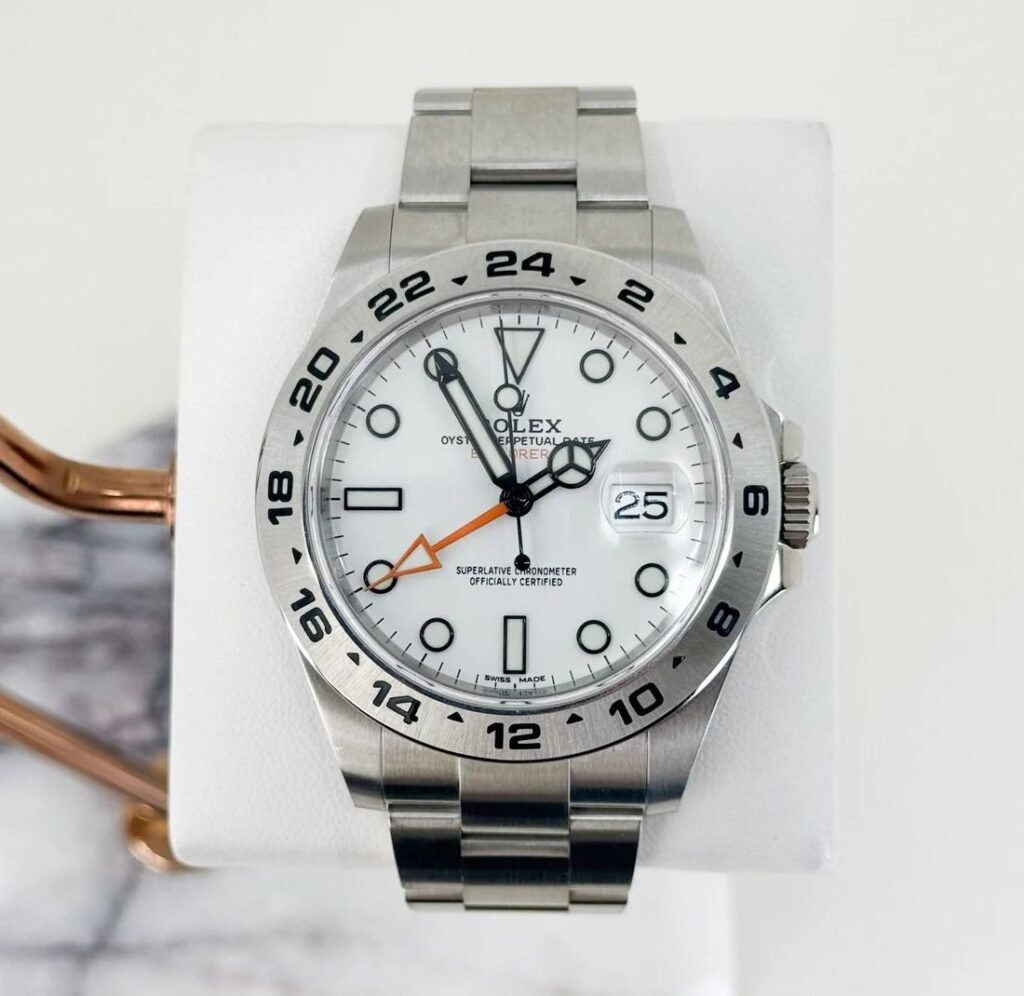
Luxury mechanical watches represent one of the finest expressions of traditional watchmaking. Unlike quartz watches, which rely on a battery and electronic oscillator, luxury mechanical watches use an intricate network of gears, springs, jewels, and other precision components to measure time.
For watch enthusiasts, collectors, and anyone who appreciates exceptional craftsmanship, a luxury mechanical watch is more than an accessory. It is a miniature mechanical achievement designed to combine precision, engineering, heritage, and timeless style.
At LuxeChronos, we believe understanding what makes a mechanical timepiece special is essential before choosing your next luxury watch. Whether you are considering a Swiss mechanical watch, a luxury automatic watch, or a prestigious hand-wound timepiece, this guide explains everything you need to know.
What Are Luxury Mechanical Watches?
Luxury mechanical watches are high-end timepieces powered by mechanical movements rather than batteries. The movement stores energy in a mainspring, which gradually releases that energy through a precisely controlled gear train and escapement.
Mechanical watchmaking is one of the oldest and most fascinating forms of horology. Modern luxury watch manufacturers combine centuries-old techniques with advanced materials, sophisticated engineering, and extremely precise manufacturing.
There are two primary categories of luxury mechanical watches:
Manual-winding mechanical watches
Automatic mechanical watches
Both use mechanical energy, but the way that energy is generated differs.
A manual-winding mechanical watch requires the wearer to wind the crown periodically. An automatic or self-winding mechanical watch uses a rotor that moves with the wearer’s wrist to wind the mainspring.
According to Patek Philippe’s official movement information, self-winding mechanical movements use a rotor powered by wrist movement, while manually wound movements are powered by turning the crown.
That distinction is important when comparing different types of luxury mechanical watches.
How Do Luxury Mechanical Watches Work?
The beauty of a luxury mechanical watch is hidden inside its movement.
Although individual movements can contain hundreds of components, the fundamental operating principle is relatively straightforward.
Energy is stored in the mainspring. When the watch is wound, the mainspring stores potential energy. That energy is then transferred through a series of gears toward the escapement.
The escapement regulates the release of energy, while the balance wheel oscillates at a controlled frequency. This allows the hands to move at a consistent rate.
The basic components include:
1. Mainspring
The mainspring is the primary energy source of a mechanical watch.
When the watch is wound, energy is stored in the mainspring. As the mainspring unwinds, it releases energy to power the movement.
2. Gear Train
The gear train transfers energy from the mainspring to the escapement and ultimately drives the watch hands.
3. Escapement
The escapement controls how quickly energy is released from the gear train.
Modern luxury mechanical watches may incorporate sophisticated escapement designs intended to improve efficiency, reliability, and resistance to external influences.
4. Balance Wheel
The balance wheel oscillates back and forth at a controlled frequency. Together with the hairspring, it acts as the regulating organ of the mechanical movement.
5. Jewels
Synthetic jewels are used as bearings at various points in the movement. They reduce friction and help improve durability.
6. Rotor
Automatic luxury mechanical watches contain a rotating weight called a rotor.
As the wearer moves their wrist, the rotor turns and transfers energy to the mainspring.
Rolex’s explanation of its Perpetual rotor explains how wrist movement causes the rotor to rotate, transferring energy through the winding mechanism to the mainspring.
This ingenious system is one of the reasons luxury automatic watches are so popular among modern collectors.
Manual vs Automatic Luxury Mechanical Watches
When shopping for luxury mechanical watches, one of the first decisions is whether you prefer manual winding or automatic winding.
Manual-Winding Luxury Mechanical Watches
Manual-winding watches require the wearer to wind the crown periodically.
For many collectors, this is part of the appeal.
Winding a mechanical watch creates a direct connection between the wearer and the movement. Instead of simply putting the watch on and forgetting about it, the owner interacts with the mechanism.
Manual-winding movements can also be extremely thin because they do not require an automatic rotor.
For example, Patek Philippe’s Caliber 30-255 is a manually wound movement with a 65-hour power reserve.
Manual-winding luxury mechanical watches are particularly appealing to collectors who appreciate traditional horology, movement finishing, and mechanical interaction.
Automatic Luxury Mechanical Watches
Automatic mechanical watches use a rotor to wind the mainspring using the movement of the wearer’s wrist.
This makes an automatic luxury watch extremely convenient for everyday wear.
Rolex, for example, describes its Perpetual rotor as an automatic winding mechanism that uses wrist movement to continually wind the mainspring.
Many of the world’s most recognizable luxury watches use automatic mechanical movements.
For everyday use, an automatic luxury mechanical watch can offer an excellent combination of convenience, craftsmanship, and prestige.
Why Are Luxury Mechanical Watches So Popular?
The popularity of luxury mechanical watches goes far beyond telling time.
A smartphone can display the time more accurately. A basic quartz watch can also provide extremely reliable timekeeping.
So why do collectors continue to purchase mechanical watches?
The answer is craftsmanship.
1. Mechanical Craftsmanship
A mechanical movement is a miniature machine containing precisely engineered components.
High-end movements can require extensive assembly, adjustment, decoration, and testing.
For many enthusiasts, simply looking through a sapphire case back and observing the movement operating is part of the experience.
2. Heritage
Many luxury watch brands have histories stretching back generations.
Brands such as Rolex and Patek Philippe have developed distinctive mechanical technologies and watchmaking traditions over decades.
The result is a connection between modern luxury watches and traditional horology.
3. Movement Finishing
Luxury mechanical watches often feature decorative finishing such as:
Geneva stripes
Perlage
Anglage
Polished screws
Beveled bridges
Circular graining
Hand engraving
Skeletonization
These details may have little effect on basic timekeeping, but they demonstrate the craftsmanship involved in producing a high-end movement.
4. Collectibility
Luxury mechanical watches can be highly collectible.
Collectors may consider the brand, reference number, movement, production history, condition, rarity, materials, complications, and provenance when evaluating a watch.
This is one reason prestigious mechanical watches continue to attract collectors around the world.
5. Longevity
A well-maintained mechanical watch can potentially remain functional for generations.
Proper servicing is therefore an important part of owning a luxury mechanical watch.
Patek Philippe recommends regular servicing and states that quartz and mechanical watches should be serviced every eight to ten years through an official Service Center or Authorized Retailer.
Luxury Mechanical Watches vs Quartz Watches
The difference between mechanical and quartz watches is fundamental.
Mechanical Watches
Mechanical watches:
Use a mainspring
Contain mechanical gears
Use an escapement
Require winding or automatic winding
Can feature elaborate complications
Are highly valued for craftsmanship
Quartz Watches
Quartz watches use an electronic oscillator regulated by a quartz crystal and normally require a battery or another electrical power source.
Quartz watches are generally chosen for convenience and highly consistent timekeeping.
Mechanical watches, however, are generally purchased for their craftsmanship, heritage, engineering, and emotional appeal.
For many luxury watch enthusiasts, the mechanical movement is the heart of the watch.
Swiss Luxury Mechanical Watches
When people think about luxury mechanical watches, Swiss watchmaking is often one of the first things that comes to mind.
Switzerland has developed an extraordinary reputation for precision watchmaking and luxury horology.
Swiss watchmakers have produced some of the world’s most respected mechanical movements, complications, and finishing techniques.
However, Swiss watchmaking is not the only source of exceptional mechanical watches.
Japan, Germany, France, and other countries also have respected watchmaking traditions.
When evaluating a luxury mechanical watch, it is therefore important to consider the complete package rather than relying solely on geographic origin.
The Best Luxury Mechanical Watch Brands
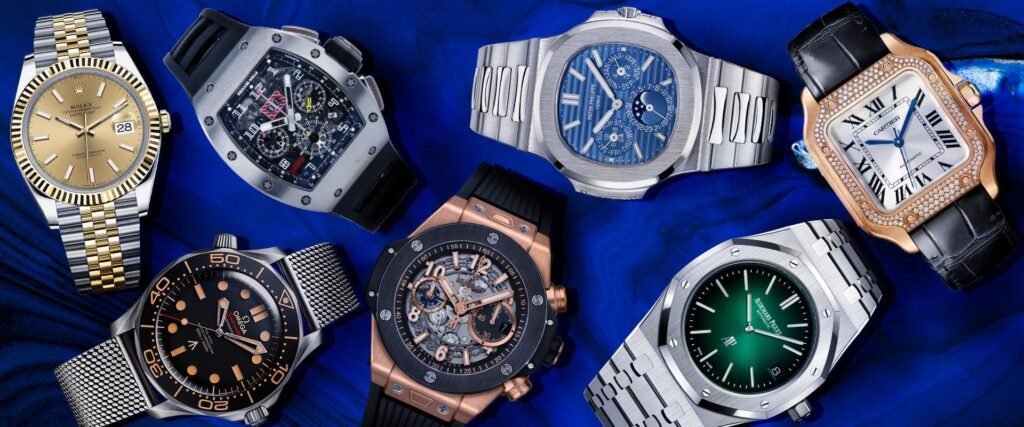
Some manufacturers have become particularly influential in luxury mechanical watchmaking.
Rolex
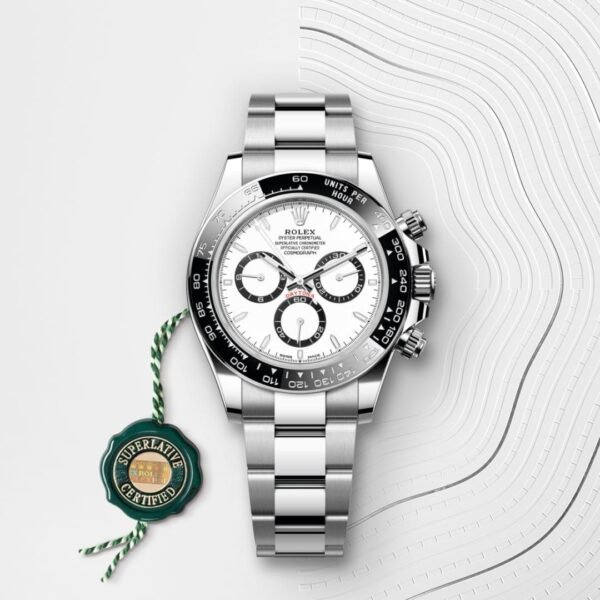
Rolex is one of the most recognizable names in mechanical watchmaking.
The brand is particularly known for robust self-winding movements, including the Calibre 3230 used in the Oyster Perpetual 36.
Rolex identifies the movement as a self-winding mechanical calibre and lists a precision specification of -2/+2 seconds per day after casing for that model.
Rolex’s emphasis on durability, reliability, precision, and proprietary movement technology makes its watches popular among both collectors and everyday luxury-watch buyers.
Explore Rolex’s official watchmaking information
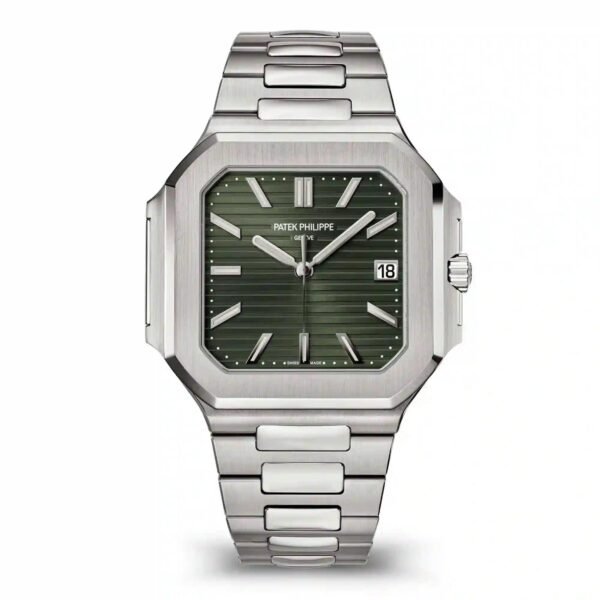
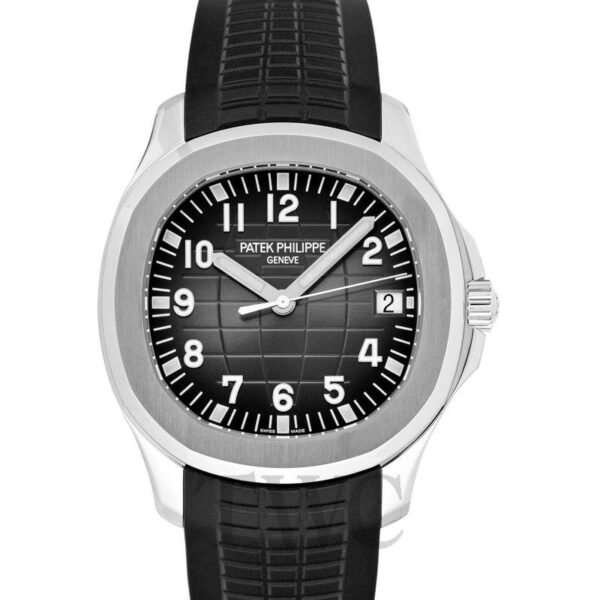
Patek Philippe
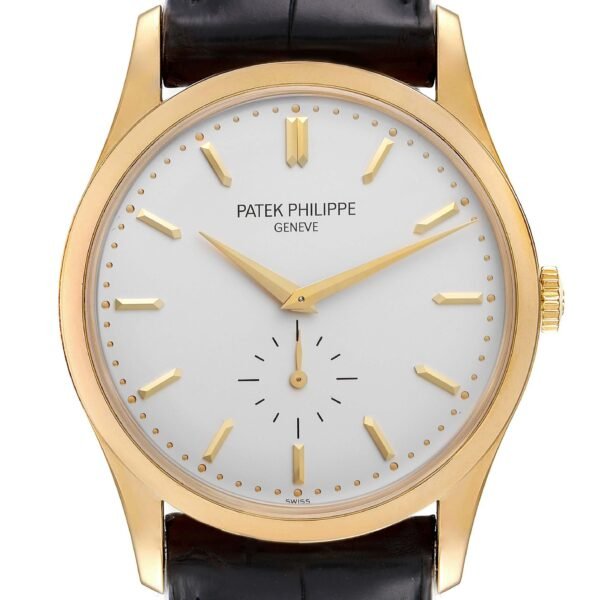
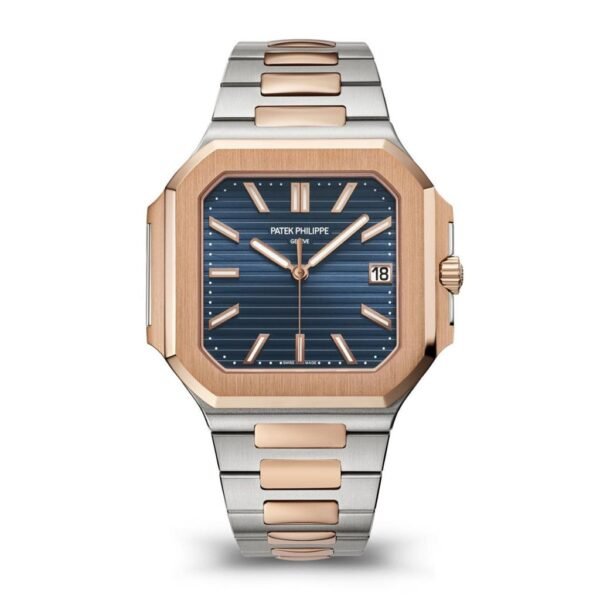
Patek Philippe occupies an important position in high-end mechanical watchmaking.
Its portfolio includes manually wound and self-winding movements as well as sophisticated complications.
Patek Philippe’s movement collection demonstrates the breadth of modern mechanical watchmaking, including self-winding, manual-winding, and highly complicated calibres.
Its complicated mechanical watches can combine functions such as:
Perpetual calendars
Chronographs
Minute repeaters
Moon phases
Tourbillons
Split-seconds chronographs
For collectors interested in haute horlogerie, Patek Philippe remains one of the most significant names in the industry.
Explore Patek Philippe’s official collection
Audemars Piguet
Audemars Piguet is another major name in luxury mechanical watchmaking.
The brand is particularly associated with innovative case designs, complicated movements, and the Royal Oak family.
For shoppers exploring sophisticated luxury mechanical watches, Audemars Piguet offers a strong combination of contemporary design and traditional mechanical expertise.
You can also explore the Audemars Piguet collection at LuxeChronos to compare luxury watch styles and discover additional models.
Hublot
Hublot combines traditional mechanical watchmaking with contemporary materials and distinctive designs.
Hublot is particularly recognized for bold cases, modern aesthetics, and mechanical chronographs and complications.
For buyers looking for a modern luxury mechanical watch rather than a traditional dress watch, Hublot can be an interesting option.
You can explore Hublot watches at LuxeChronos when comparing modern luxury watch designs.
Best Types of Luxury Mechanical Watches
There is no single “best” luxury mechanical watch for everyone.
The ideal watch depends on your lifestyle, budget, personal style, and collecting goals.
Luxury Mechanical Dress Watches
Dress watches typically emphasize elegance and understated proportions.
They may feature:
Slim cases
Leather straps
Simple dials
Precious metals
Minimal complications
A luxury mechanical dress watch can work particularly well with formal clothing and business attire.
Luxury Mechanical Sports Watches
Sports watches typically prioritize durability and versatility.
They may include:
Water resistance
Robust cases
Automatic movements
Metal bracelets
Rotating bezels
Luminescent displays
These watches can transition between casual and formal environments.
Luxury Mechanical Chronographs
Chronographs incorporate stopwatch functionality.
They are popular among collectors because the movement can combine timekeeping with additional mechanical functions.
A sophisticated mechanical chronograph can be an excellent choice for enthusiasts who appreciate complicated watch movements.
Luxury Mechanical Dive Watches
Dive watches are designed around underwater use and typically emphasize water resistance, legibility, and durability.
A luxury mechanical dive watch can combine practical functionality with premium materials and movement finishing.
Luxury Mechanical Calendar Watches
Calendar complications display information such as the date, day, month, or more complex calendar indications.
Perpetual calendars are particularly sophisticated because they account for different month lengths and leap years.
What Is a High-End Mechanical Watch Movement?
The movement is arguably the most important component of a luxury mechanical watch.
The case and dial determine much of the watch’s visual identity, but the movement determines how the watch mechanically operates.
High-end movements can feature:
Hand finishing
High-quality materials
Advanced escapements
Multiple barrels
Long power reserves
Complications
Elaborate architecture
Anti-magnetic components
Precision adjustment systems
Modern luxury manufacturers also use advanced materials to improve performance.
For example, Rolex’s Calibre 3230 incorporates a Chronergy escapement and a blue Parachrom hairspring designed to provide resistance to magnetic fields and improve stability.
At the highest levels of watchmaking, movements can contain hundreds of individual components.
Patek Philippe’s Sky Moon Tourbillon, for example, uses a manually wound movement with 705 parts and 55 jewels.
That illustrates just how complex a true haute horlogerie mechanical watch can become.
Understanding Power Reserve
Power reserve refers to how long a mechanical watch can continue running after its mainspring has been fully wound.
Power reserve varies significantly between different luxury mechanical watches.
Some movements may offer approximately 40 hours of autonomy, while modern calibres can provide several days.
For example, Patek Philippe’s manually wound Caliber 30-255 provides a 65-hour power reserve.
A longer power reserve can be particularly convenient if you rotate between several watches.
If you remove a watch Friday evening and put it back on Monday morning, a longer power reserve increases the chance that it will still be running.
What Makes a Luxury Mechanical Watch Expensive?
The price of luxury mechanical watches can range from several thousand dollars to hundreds of thousands or even millions of dollars.
But what actually determines the price?
Materials
Precious metals such as:
18K gold
Platinum
Titanium
Ceramic
High-grade stainless steel
can influence the price.
Movement Complexity
Simple time-only movements are generally less complex than movements incorporating multiple complications.
A perpetual calendar, minute repeater, tourbillon, or split-seconds chronograph can dramatically increase manufacturing complexity.
Hand Finishing
The amount of hand-finishing and decoration applied to the movement can influence the value of a luxury mechanical watch.
Brand Heritage
Established luxury watch brands can command significant premiums because of their reputation, history, craftsmanship, and demand.
Rarity
Limited production and rare references can contribute significantly to a watch’s desirability.
Research and Development
Modern mechanical movements often incorporate extensive engineering and development.
Rolex’s current Calibre 7135, for example, uses a high-frequency 5 Hz regulating system and approximately 66 hours of power reserve.
How to Choose Luxury Mechanical Watches
Buying a luxury mechanical watch should involve more than choosing the most expensive model you can afford.
Consider these factors before purchasing.
1. Determine Your Budget
Start with a realistic budget.
The luxury mechanical watch market includes entry-level luxury watches, premium Swiss watches, and extremely expensive haute horlogerie pieces.
2. Choose Automatic or Manual
If convenience is your priority, an automatic mechanical watch may be the better choice.
If you enjoy traditional watchmaking and the ritual of winding your watch, a manual-winding mechanical watch may be more satisfying.
3. Consider Your Lifestyle
A dress watch may not be ideal for someone who needs a highly durable everyday timepiece.
Likewise, a large sports watch may not be the best choice for someone who primarily attends formal events.
4. Research the Movement
Don’t focus only on the dial.
Research:
Calibre
Power reserve
Frequency
Jewels
Winding system
Complications
Service requirements
Movement finishing
5. Consider Case Size
Case diameter and thickness dramatically influence how a watch looks and feels on the wrist.
6. Check Authenticity
When buying an expensive mechanical watch, authenticity is extremely important.
Research the reference number, movement, dial configuration, case markings, documentation, and seller.
For additional guidance, see the LuxeChronos guide on how to tell if a Rolex is real.
7. Choose a Reputable Seller
Always consider the seller’s reputation, return policy, warranty, product documentation, and customer service.
For additional buying guidance, explore our guide on where is the best place to buy a Rolex watch.
How to Maintain a Luxury Mechanical Watch
Owning a luxury mechanical watch also means taking care of its movement and exterior.
Avoid unnecessary shocks, extreme magnetic fields, moisture exposure beyond the watch’s water-resistance rating, and improper handling of the crown.
Regular servicing is equally important.
Patek Philippe recommends periodic professional servicing for mechanical watches and emphasizes the importance of maintenance for long-term operation.
A professional watchmaker can inspect:
Movement lubrication
Accuracy
Water resistance
Gaskets
Mainspring
Escapement
Case condition
Bracelet
Crown
Crystal
The appropriate service interval depends on the watch, movement, usage, manufacturer recommendations, and condition.
Are Luxury Mechanical Watches Worth It?
For someone who only needs the most accurate and convenient way to tell time, a luxury mechanical watch may not be the logical choice.
But luxury mechanical watches are not purchased purely for utility.
They are purchased for:
Craftsmanship.
Engineering.
Heritage.
Design.
Collectibility.
Emotional connection.
A fine mechanical watch represents an entirely different philosophy from disposable technology.
It is a physical machine that can be maintained, serviced, passed down, and appreciated for decades.
That longevity is one of the defining attractions of luxury mechanical watchmaking.
Luxury Mechanical Watches as Collectible Timepieces
Collectors often build collections around specific brands, complications, eras, movements, materials, or designs.
Some collectors focus exclusively on Rolex.
Others specialize in Patek Philippe, Audemars Piguet, Hublot, or independent watchmakers.
Some collect only chronographs, while others concentrate on perpetual calendars or tourbillons.
The diversity of the mechanical watch market means there is an enormous range of collecting strategies.
When choosing a collectible luxury mechanical watch, consider:
Historical significance
Production numbers
Movement architecture
Brand reputation
Condition
Originality
Documentation
Provenance
Demand
Long-term desirability
However, collectors should remember that watch values can change. A luxury mechanical watch should ideally be purchased because you genuinely appreciate the watch rather than solely because you expect its value to increase.
Luxury Mechanical Watches for Men
The market for luxury mechanical watches for men includes everything from understated dress watches to large sports chronographs.
Popular categories include:
Rolex sports watches
Luxury dive watches
Swiss automatic watches
Mechanical chronographs
Gold dress watches
Integrated-bracelet sports watches
High-complication watches
The right choice depends on personal style.
A minimalist collector might prefer a thin manual-winding dress watch, while someone who wants a versatile everyday watch might prefer a robust automatic sports model.
Luxury Mechanical Watches for Women
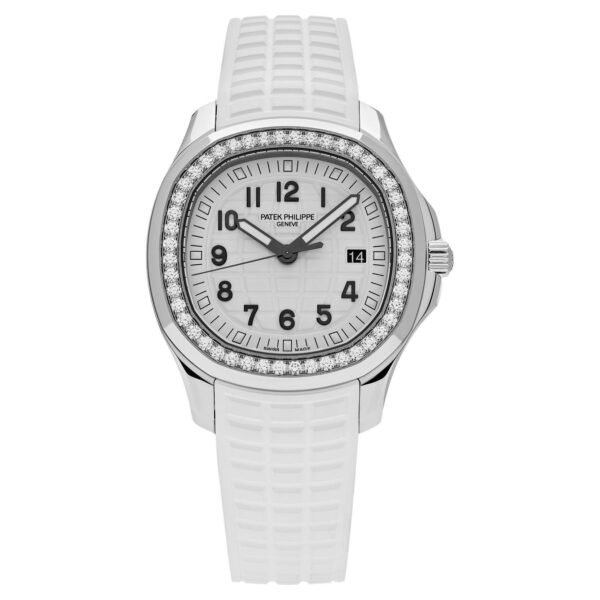
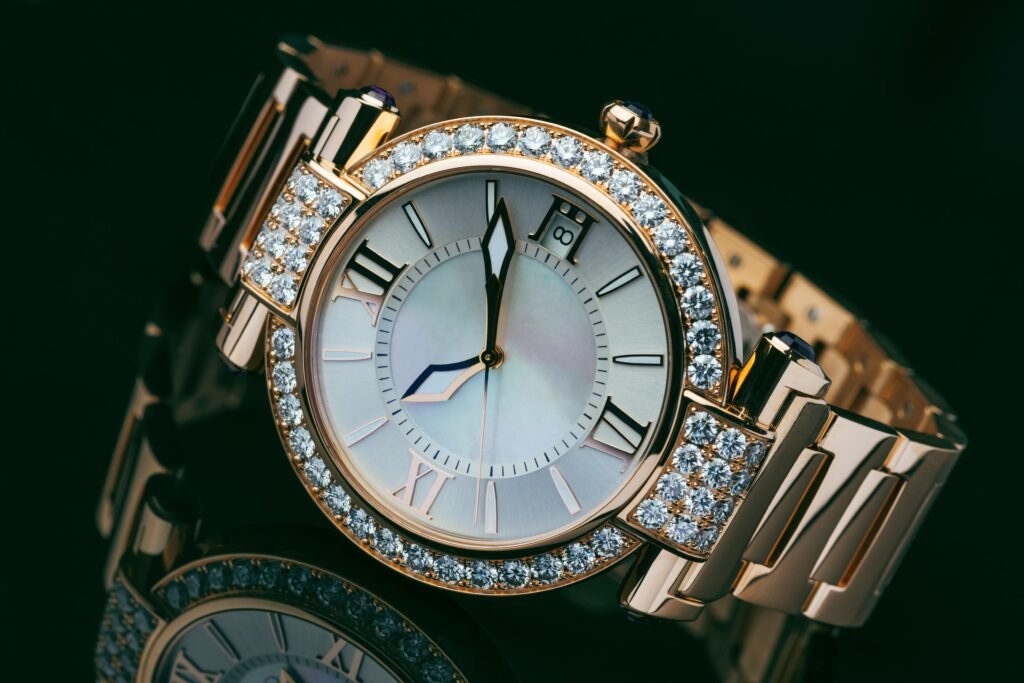
Modern luxury mechanical watches for women increasingly combine traditional mechanical movements with sophisticated jewelry design and contemporary proportions.
Women’s luxury mechanical watches can feature:
Precious metals
Diamond-set bezels
Smaller mechanical movements
Automatic movements
Manual-winding calibres
Elegant leather straps
Gold bracelets
Gem-set dials
Mechanical watchmaking is not exclusively a men’s category. Many prestigious manufacturers produce sophisticated mechanical watches designed specifically for women.
Mechanical Watch Complications
One of the most fascinating aspects of luxury mechanical watches is the range of complications available.
A complication is an additional mechanical function beyond basic timekeeping.
Examples include:
Chronograph
Measures elapsed time.
Perpetual Calendar
Displays calendar information while accounting for varying month lengths and leap years.
Moon Phase
Displays the current phase of the moon.
Minute Repeater
Uses mechanical hammers and gongs to acoustically indicate the time.
Tourbillon
A sophisticated regulating mechanism originally developed to address positional effects on pocket-watch movements.
Split-Seconds Chronograph
Allows additional timing measurements using a specialized chronograph mechanism.
The more complicated the movement becomes, the more demanding manufacturing, assembly, adjustment, and servicing can be.
The Future of Luxury Mechanical Watches
Mechanical watchmaking continues to evolve.
Although smartphones, smartwatches, and quartz watches dominate practical timekeeping, luxury mechanical watches continue to occupy a unique position.
Modern watch manufacturers are combining traditional craftsmanship with:
Silicon components
Advanced alloys
Ceramic materials
High-frequency movements
Improved magnetic resistance
Longer power reserves
Computer-assisted engineering
Modern manufacturing techniques
Rolex’s newer mechanical movements demonstrate how traditional mechanical architecture can continue to evolve through modern engineering. Its Calibre 7135, for example, operates at 5 Hz and offers approximately 66 hours of power reserve.
The future of luxury mechanical watches is therefore unlikely to be about replacing mechanical watchmaking.
Instead, it is about improving it.
Final Thoughts on Luxury Mechanical Watches
Luxury mechanical watches occupy a special place in the world of horology.
They combine engineering, artistry, tradition, design, and craftsmanship inside remarkably small mechanical systems.
Whether you prefer a Rolex automatic movement, a Patek Philippe hand-wound calibre, an Audemars Piguet complication, or a modern Hublot mechanical movement, the fundamental attraction remains the same: the watch is powered by mechanical energy rather than simply relying on a battery.
For newcomers, the world of luxury mechanical watches can initially seem complicated. Understanding movements, power reserves, complications, case materials, finishing, and servicing makes the buying process considerably easier.
At LuxeChronos, our goal is to help watch enthusiasts make more informed decisions when exploring the world of luxury watches.
If you are ready to explore luxury timepieces, browse the LuxeChronos luxury watch collection and discover mechanical watches designed to combine timeless style with sophisticated horology.
Frequently Asked Questions About Luxury Mechanical Watches
What are luxury mechanical watches?
Luxury mechanical watches are premium timepieces powered by mechanical movements rather than batteries. They use components such as a mainspring, gears, escapement, balance wheel, and other precision parts to measure time.
Are mechanical watches better than quartz watches?
Neither is universally better. Quartz watches generally prioritize convenience and highly consistent timekeeping, while luxury mechanical watches emphasize craftsmanship, engineering, heritage, and collectibility.
What is the difference between automatic and mechanical watches?
Automatic watches are a type of mechanical watch. Automatic movements wind themselves using a rotor powered by wrist movement, while manual mechanical watches require the wearer to wind the crown.
How long do luxury mechanical watches last?
With proper maintenance and professional servicing, a high-quality mechanical watch can potentially operate for generations.
How often should a mechanical watch be serviced?
Service intervals depend on the manufacturer, movement, usage, and condition. Patek Philippe currently recommends servicing quartz and mechanical watches every eight to ten years through an official Service Center or Authorized Retailer.
Are luxury mechanical watches a good investment?
Some luxury watches can retain or increase in value, but there are no guarantees. Collectors should primarily consider craftsmanship, personal enjoyment, authenticity, condition, rarity, and long-term desirability rather than assuming appreciation.
What is the best luxury mechanical watch?
There is no single best luxury mechanical watch. The right choice depends on your budget, lifestyle, preferred brand, case size, movement, complications, design, and collecting goals.
Why are luxury mechanical watches expensive?
Prices can reflect the complexity of the movement, materials, finishing, manufacturing, brand heritage, research and development, rarity, craftsmanship, and demand.